-
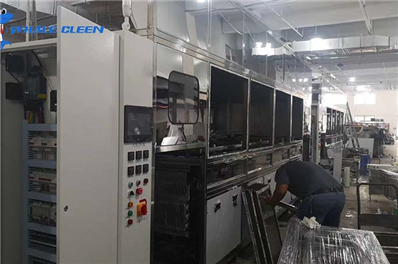 Struggling with Mold Residue That Compromises Part Quality? Discover Ultrasonic Cleaning Solutions
In precision manufacturing, the mold is the birthplace of your product. Every imperfection on the mold surface—every speck of carbon, every trace of resin, every microscopic oil residue—gets faithfully reproduced on every single part that emerges from it.
-
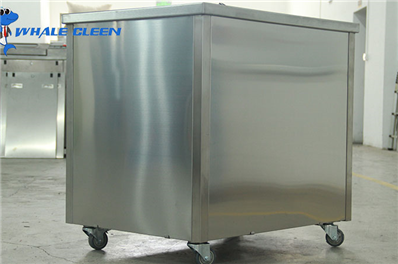 The Science Behind Choosing the Right Ultrasonic Cleaning Solutions
Ultrasonic cleaning has become a cornerstone in various industries due to its efficiency and precision in removing contaminants from surfaces. However, the effectiveness of ultrasonic cleaning largely depends on the type of cleaning solution used. This ar
-
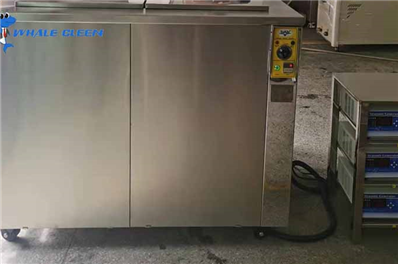 Blue whale unveils ultrasonic cleaning solution
Clean development has become a major trend in today's world. Practicing the concept of clean development, protection in development, and developing in protection is conducive to finding a win-win path between economic development and environmental pro
-
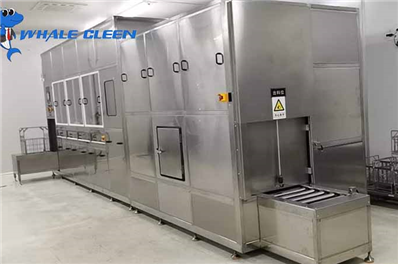 How to locate parts in the ultrasonic cleaning machine
The correct location of parts in an ultrasonic cleaning machine is as important as the frequency of ultrasonic cleaning and the formulation of the ultrasonic cleaning solution. However, in these three standards, incorrect component positioning is usually
-
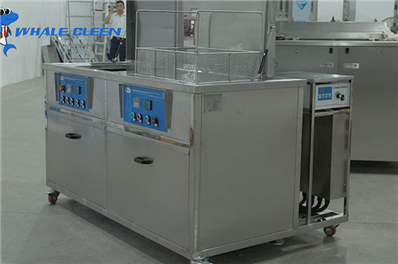 What Solutions Can Be Added to Ultrasonic Cleaners? A Professional Guide
Ultrasonic cleaners use high-frequency sound waves to generate cavitation bubbles that clean surfaces by dislodging contaminants. While the physical action of the sound waves is highly effective, adding the right solution can significantly enhance cleanin
-
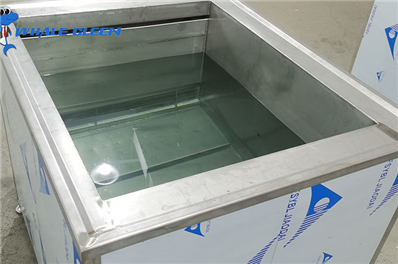 What Cleaning Solutions Should Be Used for Removing Oil with an Ultrasonic Cleaner?
Ultrasonic cleaning machines are widely recognized for their effectiveness in removing contaminants, including oils, greases, and other residues, from various surfaces. The process is based on the principle of cavitation, where ultrasonic sound waves crea
-
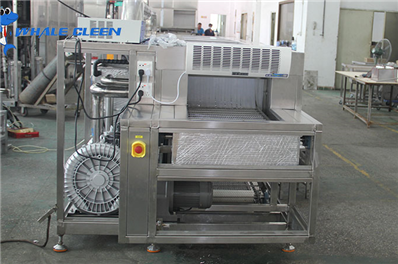 Ultrasonic Cleaner: Ensuring the Pristine State of Precision Instruments
In the manufacturing and use of precision instruments, the surfaces often accumulate various contaminants such as grease, dust, and chemical residues. These impurities not only affect the accuracy and performance of the instruments but may also lead to eq
-
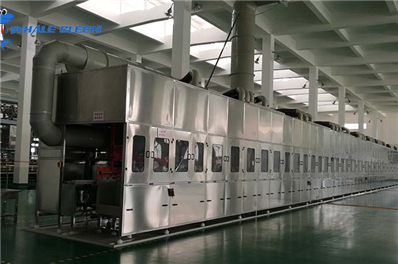 Ultrasonic Cleaning Machine Solves High-Volume Mold Release Oil and Oxidation Scale Cleaning
Manual wiping consumes labor hours, and when facing large batches of workpieces with mold release oil and oxidation scale, it quickly becomes overwhelming. In die-casting, forging, stamping, and machining operations, parts often leave production with a co
-
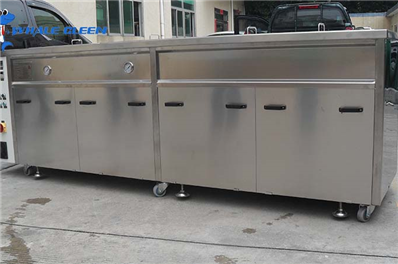 Ultrasonic Cleaning Machine for Blind Holes: How Whale Cleen Meets Strict Acceptance Standards
In precision manufacturing, the most difficult contamination is often the contamination you cannot see. Fine blind holes, narrow slots, threaded ports, and tight crevices can trap polishing dust, lapping residue, metal fines, and oil film. A part may look
-
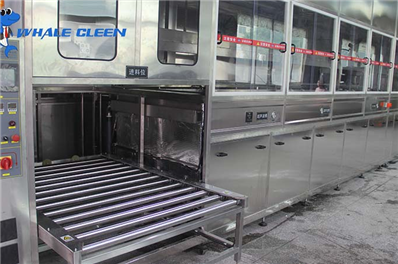 Can One Ultrasonic Cleaning Machine Really Solve Water Stain and Oxidation Problems on Die-Cast Parts?
Walk into any die-casting facility, and you will hear the same frustration from quality control inspectors and production managers alike. Aluminum die-cast parts emerge from the cleaning line looking perfectly clean—only to reveal white spots, cloudy patc
-
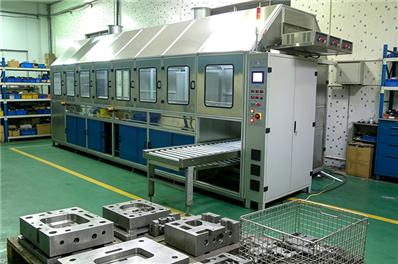 No Harsh Chemicals? How to Achieve Micron-Level Cleanliness for Nickel-Plated Substrates
You've dialed in the nickel plating bath chemistry. The temperature is right, the current density is optimized, and the dwell time is precisely controlled. Yet the plating still blisters. The cross-hatch test fails. The adhesion just isn't there.T
-
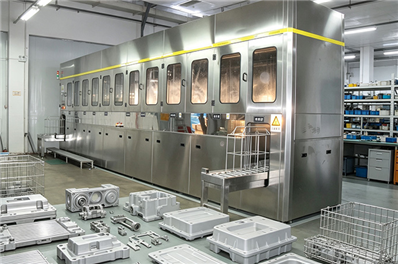 How Many Types of Electroplating Hardware Blanks Can One Ultrasonic Cleaning Machine Handle?
Walk into any hardware electroplating facility, and you will see a staggering variety of workpieces moving through the production line. Stamped brackets, machined housings, threaded fasteners, die-cast components, precision turned parts—each with its own